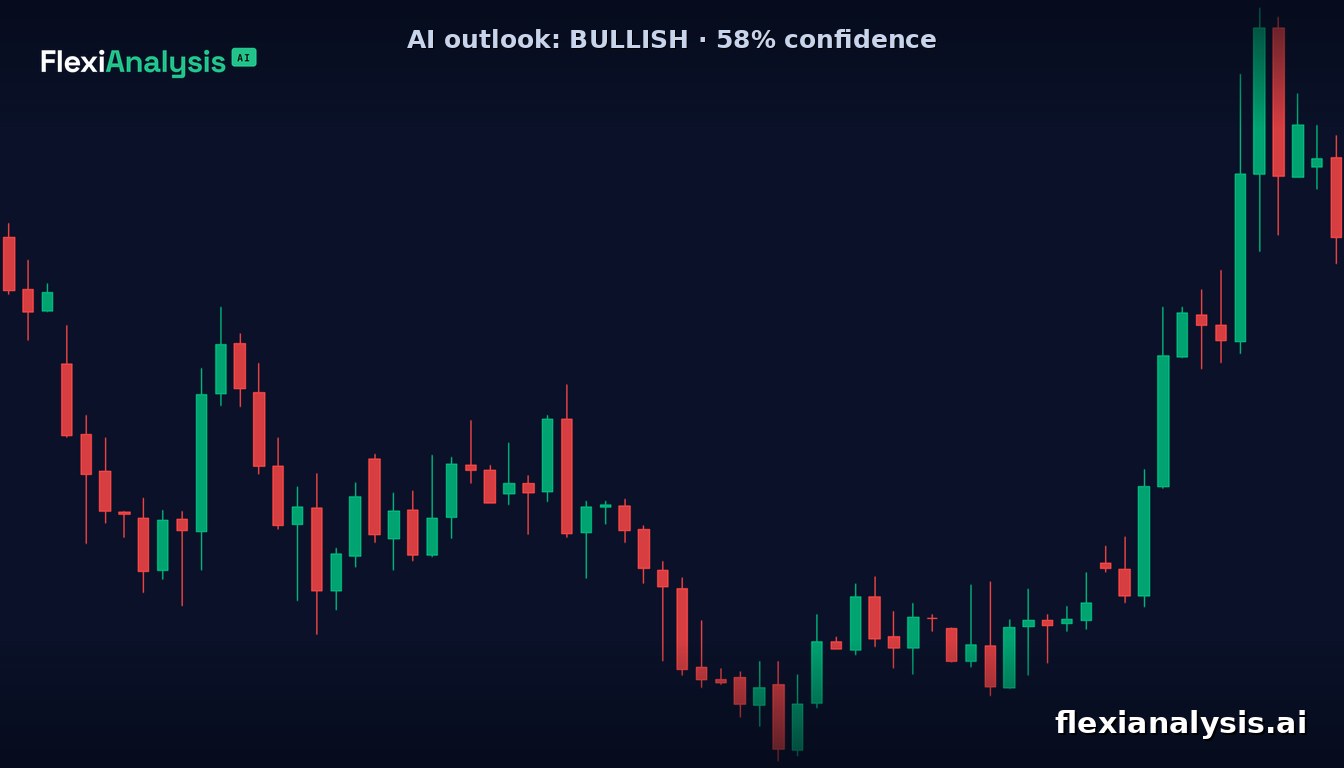
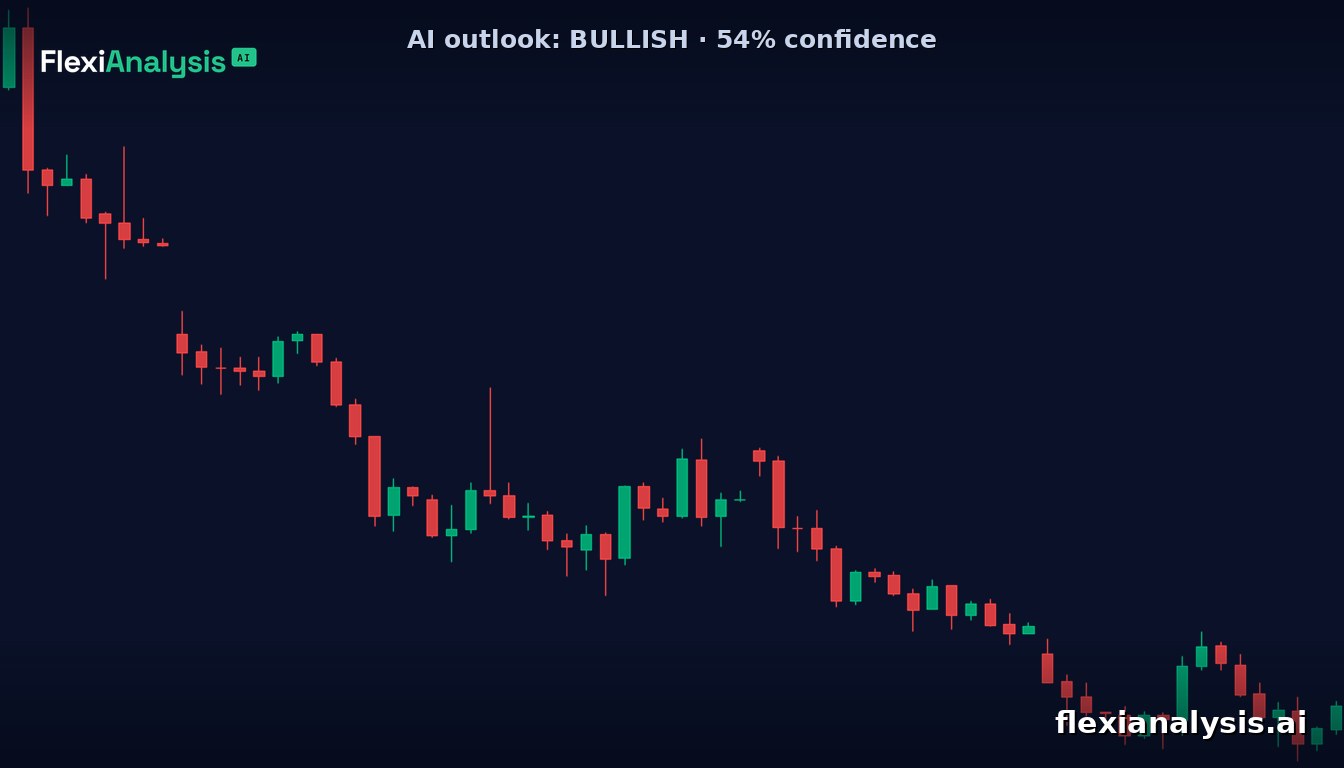
Our neural-network model leans bullish on WTI crude oil with 58.2% confidence over the next 24 hours. Current price sits at 73.31; here's what our AI is watching and what could flip the outlook.
Today's Oil Price Forecast: Bullish Bias in Focus
WTI crude oil is trading at 73.31 as of July 9, 2026. Our AI model currently leans bullish with 58.2% confidence over a 24-hour horizon. This is moderate-strength directional conviction—above neutral, but not overwhelming certainty.
The oil price forecast reflects near-term momentum and positioning dynamics. A bullish lean means the model sees slightly better odds of upward movement than downward over the next session. However, crude oil remains highly sensitive to geopolitical news, supply data, and US dollar strength. Two-sided risk is always present in energy markets.
Price action at 73.31 sits within typical intraday ranges. Watch for volume confirmation on any moves higher. Thin liquidity or unexpected headlines can reverse sentiment quickly, regardless of model bias.
What Could Strengthen or Weaken the Oil Price Forecast
Several factors could reinforce the bullish view. Tighter global supply, production outages, or hawkish central-bank signals often lift crude prices. Conversely, recession fears, a stronger US dollar, or unexpected inventory builds could flip sentiment sharply.
Without specific invalidation or target levels provided by the model today, traders should focus on price action and volume patterns. Real-time rejection at resistance or fresh support breaks signal that the forecast bias may be shifting.
Our verified AI trading results show how this model performs over extended periods. Daily confidence scores like today's 58.2% help you gauge conviction strength. For broader commodity context, check our our Gold (XAU/USD) analysis, which often moves inversely to the US dollar alongside crude.
Risk Factors and Market Context
Oil price forecasts are probabilistic, not predictive certainties. A 58.2% bullish bias means roughly six-in-ten odds favoring upside—not potential profit or direction. Volatility, news shocks, and liquidity gaps can override short-term model signals entirely.
Supply disruptions, OPEC+ decisions, and geopolitical tensions remain key drivers. Demand data from major economies also influences crude direction significantly. The model captures recent price momentum, but structural shifts can emerge without warning.
For deeper context on crude fundamentals, the US Energy Information Administration (EIA) publishes weekly inventory and production data—essential reading for all oil traders.
Use today's oil price forecast as one input among many. Combine it with your risk tolerance, position size, and stop-loss discipline. Markets reward preparation and risk management, not predictions alone.
FlexiAI provides analysis for educational purposes only, not financial advice. Trading involves significant risk of loss.