The search for the best AI trading signals for forex has intensified as machine-learning tools reach retail platforms. Hundreds of providers claim cutting-edge insights. Yet distinguishing genuine analytical value from marketing noise remains difficult. This guide explains how AI forex signals work, which criteria matter most, and how to integrate them into disciplined trading.
What Are the Best AI Trading Signals for Forex?
An AI trading signal is an algorithmically generated suggestion for a currency pair. It includes directional bias (buy or sell), entry zones, and stop-loss or take-profit levels. Modern AI signals combine multiple inputs:
- Price action and technical patterns — candlesticks, support/resistance, momentum
- Macro and fundamental data — interest rates, employment, inflation releases
- Sentiment indicators — positioning data, news tone, options signals
- Cross-asset context — bonds, equities, and commodity correlations
This broader market picture surpasses simple moving-average crossovers. For deeper context, explore the AI Market Analysis definitive guide.
Quality Signals: What Sets Them Apart
Most providers compete on attention-grabbing claims rather than transparency. Below are factors that distinguish reliable services.
Transparent Methodology
Credible providers explain data inputs, model types, and logic. Black-box outputs with no context are a warning sign. You should understand why a signal flags an opportunity.
Honest Track Records
Verified, time-stamped historical signals with drawdown figures and losing trades matter. Cherry-picked wins only mislead. No strategy wins every time. Providers implying otherwise misrepresent risk. Reference frameworks from Investopedia help assess claims objectively.
Risk Parameters Included
A signal without a suggested stop-loss is incomplete. Quality AI systems use volatility-adjusted risk levels rather than fixed pip distances.
Pair Coverage and Liquidity
Major pairs like EUR/USD, GBP/USD, and USD/JPY have deeper liquidity. Providers heavy on exotic pairs warrant extra scrutiny.
Latency and Delivery Speed
Forex moves fast. A signal delivered 20 minutes late is often worthless. Seek near-real-time delivery through platform integration or low-latency alerts.
Common Mistakes When Using AI Signals
Even high-quality signals fail if misused. Over-reliance is the primary danger. Traders treat every signal as a must-trade instead of a probability-weighted input. Many also disable risk controls when signals feel convincing. That's precisely when unexpected reversals cause the most damage. Review how to avoid common forex trading mistakes for structured guidance.
How FlexiAI Generates Forex Signal Intelligence
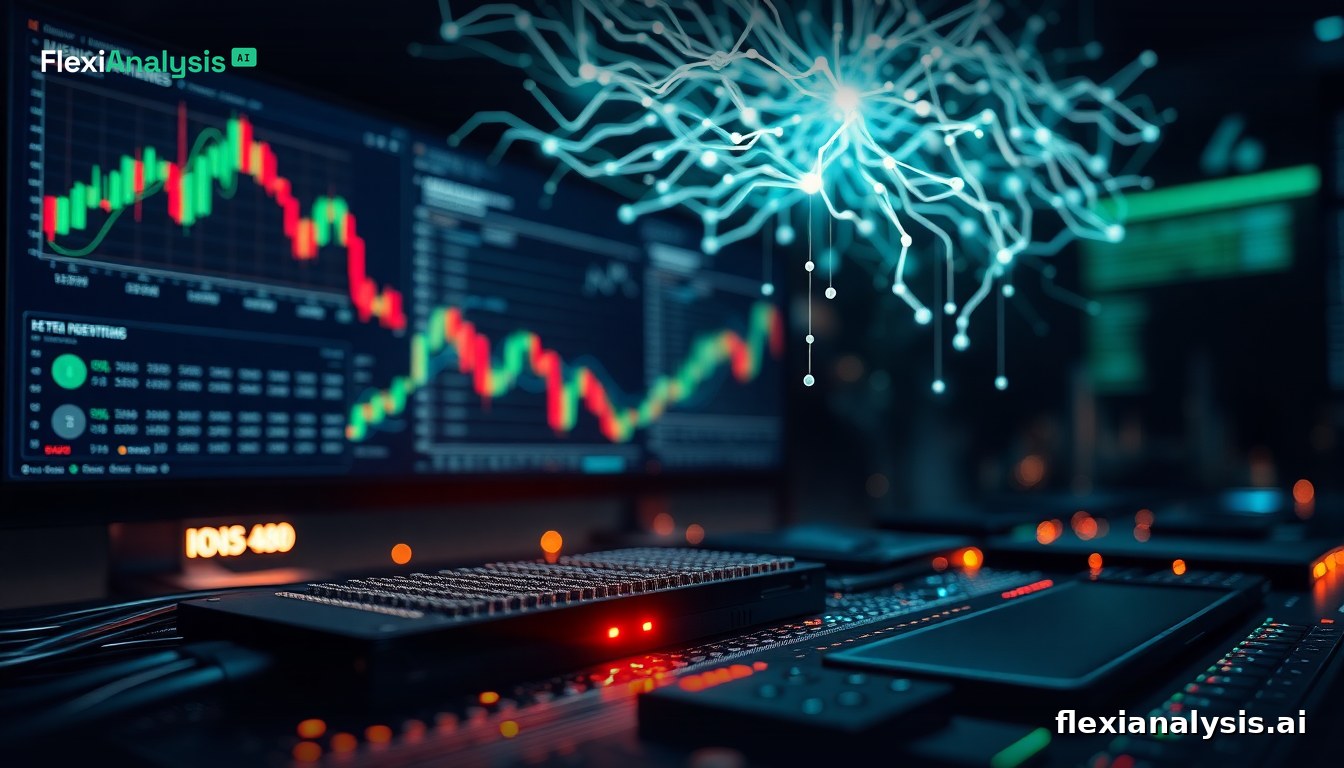
FlexiAI functions as a decision-support platform, not an autonomous robot. Rather than issuing blunt buy/sell commands, it surfaces AI-driven market intelligence. This includes pattern recognition, trend probability, and multi-timeframe context. Traders retain their own judgment and responsibility. The AI handles heavy analysis across forex, commodities, and indices.
Key features include multi-factor confluence scoring. The model flags setups where technical, fundamental, and sentiment inputs align. It avoids firing on single triggers. Integrated risk framing pairs every directional view with volatility context.
Explore AI-powered forex trading analysis to see how these capabilities fit your workflow.
Regulatory Context for Signal Services
In many jurisdictions, personalised trading advice requires regulatory authorisation. Verify whether signal providers are regulated. In the US, check the Commodity Futures Trading Commission (CFTC). In the EU, check ESMA-aligned national regulators. Tools like FlexiAI provide market analysis and educational intelligence rather than personalised advice.
Building Your Signal-Integrated Trading Process
Effective use of best AI trading signals for forex involves three layers:
- Contextual validation — does the signal align with macro context and higher-timeframe trends?
- Risk-first execution — determine position size and maximum loss before entering
- Post-trade review — track signal performance to identify where the model adds value
Treated as one input within a structured process, AI forex signals become a genuine analytical edge. Treated as a shortcut around thinking and risk management, they become an expensive lesson. The best AI trading signals for forex enhance disciplined trading — they do not replace it.